Rehabilitating a Starved Horse: A Safe, Forage-Based Approach to Weight Gain and Recovery
Taking in a starved horse is one of the most challenging and rewarding responsibilities a horse owner can face. Unlike a horse that is simply underweight or out of condition, a truly starved horse has undergone significant physiological changes that impact every system in the body. In these cases, knowing how to put weight on a starved horse safely is not just a matter of feeding more — it requires a careful, structured, and medically informed approach.
When a horse experiences prolonged starvation, the body adapts by prioritizing survival. Initially, fat stores are used for energy, but once those reserves are depleted, the body begins breaking down muscle tissue and essential proteins, including those in the heart and other vital organs. This leads to a fragile metabolic state where even small feeding mistakes can have serious consequences.
Because of this, rehabilitation must be approached with patience, precision, and a deep understanding of equine nutrition.
Why Refeeding Must Be Done Carefully
One of the most critical risks when reintroducing nutrition to horses is a condition known as refeeding syndrome. This metabolic disturbance occurs when a starved horse is suddenly given calorie-dense feeds, especially grains or high-starch concentrates.
During starvation, the body shifts into a conservation mode with altered electrolyte balance. When carbohydrates are suddenly reintroduced, insulin levels rise rapidly, triggering shifts in electrolytes such as phosphorus, magnesium, and potassium. These shifts can lead to severe complications, including heart failure, respiratory distress, and kidney dysfunction.
Refeeding syndrome typically occurs within the first few days of reintroducing feed, making the initial feeding period the most critical. Understanding this risk is essential when determining how to put weight on a starved horse in a safe and effective way.
The Role of Forage in Safe Horse Rehabilitation
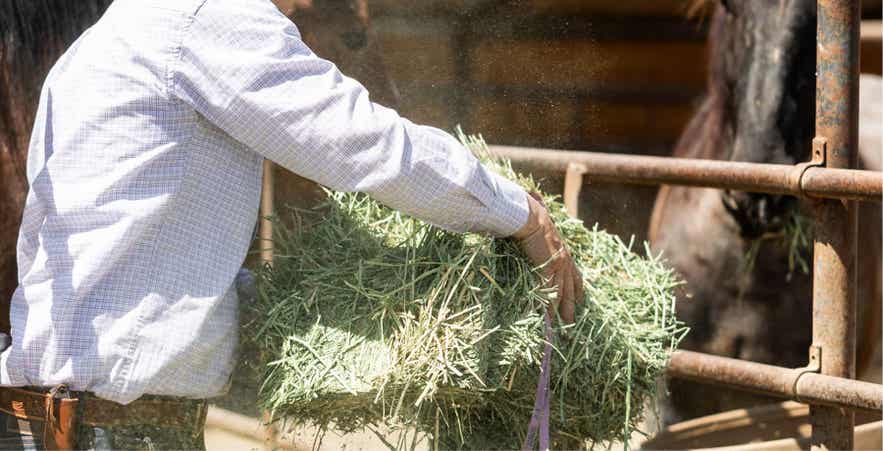
When approaching rehabilitation, diets should be built on a Forage Foundation™, with consistent, high-quality forage serving as the base and most important part of the diet to support digestive health, nutrient absorption, and long-term recovery.
Forage is particularly important in refeeding because it provides a safer source of energy compared to concentrated feeds. High-quality forage, especially alfalfa, delivers protein and digestible fiber without the rapid metabolic shifts associated with starch-heavy diets.
Additionally, forage supports gut health by stimulating natural chewing behavior and saliva production, both of which play a role in buffering stomach acid and maintaining digestive function. For a horse that has experienced starvation, rebuilding gut health is just as important as restoring body condition.
Implementing a Safe Refeeding Protocol for Horses
One of the most widely recognized approaches to rehabilitating starved horses comes from research conducted by the University of California, Davis. Their findings emphasize the importance of starting with small, frequent meals of high-quality forage, particularly alfalfa.*
In the early stages, feeding should be divided into multiple small meals throughout the day. This helps prevent overwhelming the digestive system while providing a steady supply of nutrients. Over the course of the first 10 days, the amount of forage can gradually increase while the frequency of feedings is reduced.
This gradual progression allows the horse's metabolism to stabilize and adapt to increased nutrient intake. After approximately 10 to 14 days, most horses can begin consuming larger amounts of forage per feeding, eventually transitioning to free-choice access depending on their condition and response.
Throughout this process, close monitoring is essential. Changes in appetite, behavior, manure consistency, and overall condition can provide important insight into how well the horse is adapting.
*This approach is based on research and recommendations from the University of California, Davis Center for Equine Health.
Why Alfalfa Is Often Recommended for Refeeding
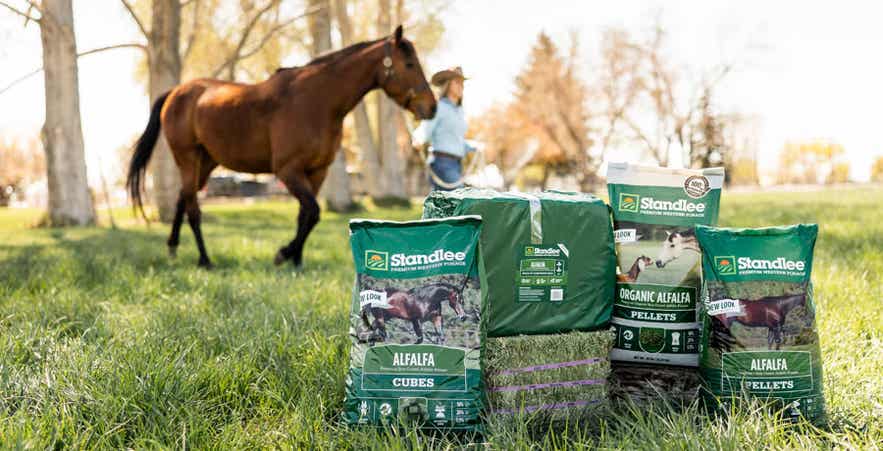
Alfalfa is frequently recommended during the early stages of refeeding because of its nutritional profile. It is naturally higher in protein and contains essential amino acids that support tissue repair and muscle rebuilding. It also provides a more calorie-dense forage source compared to many grass hays, helping support gradual weight gain.
Equally important, alfalfa tends to be more digestible than lower-quality forage, making it easier for compromised digestive systems to process. This combination of digestibility and nutrient density makes it a valuable tool when determining how to put weight on a starved horse safely.
However, as the horse progresses through rehabilitation, incorporating a balance of forage types may help support long-term feeding goals and overall diet stability.
The Timeline for Recovery
Rehabilitating a starved horse is not a quick process. While improvements in energy and demeanor may be seen within the first few weeks, full weight restoration often takes several months.
In many cases, it can take three to five months for a horse to return to a healthy body condition, depending on the severity of starvation and the individual horse's response to feeding.
During this time, consistency is key. Maintaining a steady feeding routine built on the Forage Foundation™ helps ensure that progress continues without unnecessary setbacks. Sudden changes in diet, environment, or feeding schedule should be avoided whenever possible.
Supporting Horse Health Beyond Nutrition
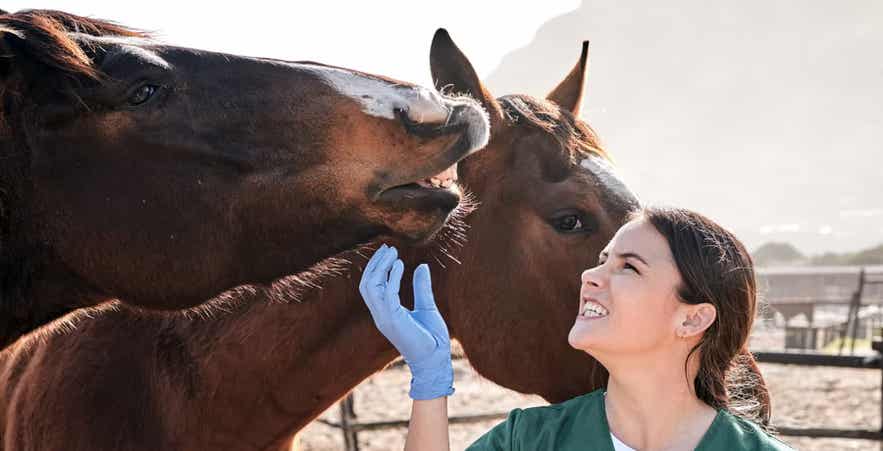
While feeding is central to recovery, it is only one piece of the rehabilitation process. A thorough veterinary evaluation should always be the first step when taking in a starved horse. This allows underlying health issues to be identified and addressed early.
Dental health is another important consideration, as poor dentition can limit a horse's ability to properly chew and utilize forage. Addressing dental issues can significantly improve feed efficiency and overall intake.
Parasite control must also be approached carefully. In severely compromised horses, deworming may need to be delayed until the horse has regained some strength. A veterinarian can help determine the appropriate timing and protocol.
Additional challenges such as gastric ulcers, infections, or metabolic conditions may also need to be managed alongside nutritional rehabilitation. Each of these factors can influence how effectively a horse gains weight and recovers.
The Importance of Consistency and Monitoring
One of the most important factors in successfully rehabilitating a starved horse is consistency. Horses rely heavily on routine, and maintaining a stable feeding schedule helps support both digestive function and overall wellbeing.
Monitoring progress is equally important. Tracking body condition, weight gain, and behavioral changes provides valuable insight into whether the feeding program is working as intended. Adjustments should be made gradually and based on the horse's individual response.
Understanding how to put weight on a starved horse requires not only knowledge but also patience. Progress may be slow at times, but steady improvement is the goal.
Premium Forage Options for Horses to Support Rehabilitation
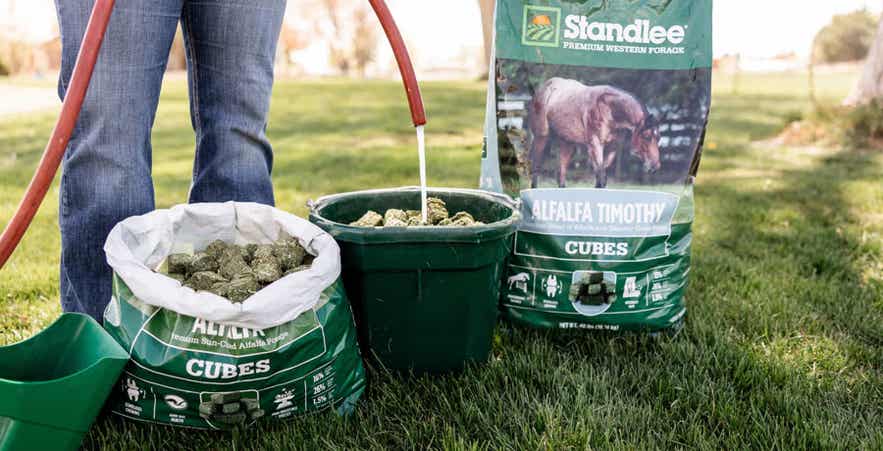
Consistency in forage quality can play a significant role in rehabilitation success. Variability in hay quality can make it difficult to maintain a predictable feeding program, especially for horses in a sensitive state.
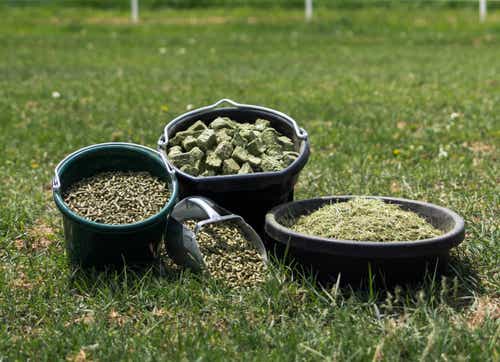
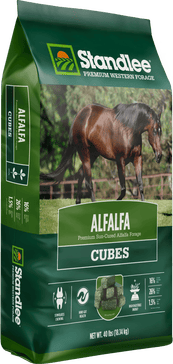
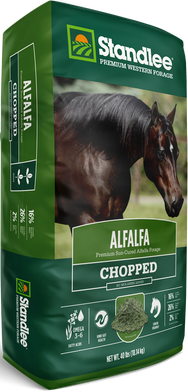
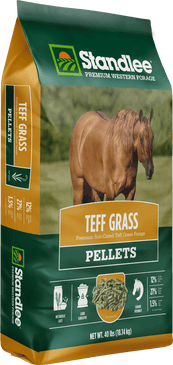
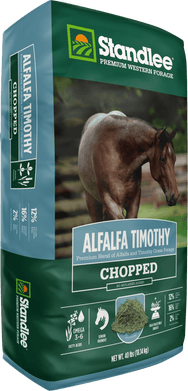
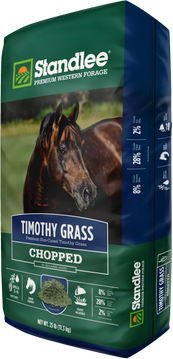
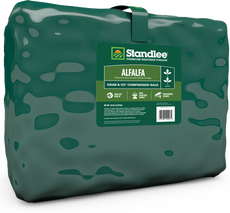
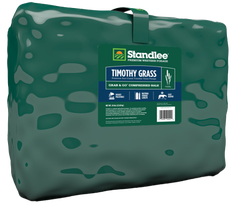
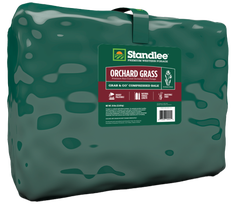
Standlee forage products are designed to provide a consistent, high-quality option that supports controlled feeding and reliable nutrient intake. Options such as pellets, cubes, chopped forage, and compressed bales offer flexibility while maintaining the integrity of a forage-based feeding approach.
These formats can be especially helpful when managing intake, improving ease of chewing, or supporting horses with dental challenges. By reducing variability and simplifying feeding routines, consistent forage helps reinforce the Forage Foundation™ and supports a more stable recovery process.
Final Takeaway: Recovery Starts with the Right Approach
Rehabilitating a starved horse is a serious responsibility that requires careful planning, expert guidance, and a commitment to consistency. Understanding the risks of refeeding syndrome, prioritizing forage-based nutrition, and following a gradual feeding protocol are all essential components of success.
Knowing how to put weight on a starved horse safely means focusing on long-term recovery rather than quick results. With patience, proper care, and a strong nutritional foundation, even severely underweight horses can regain health, strength, and quality of life.
At Standlee, we believe that recovery begins with high-quality forage and is sustained through consistency and thoughtful management. By building feeding programs around a dependable forage base, horse owners can support meaningful, lasting outcomes for horses in need.
Frequently Asked Questions
How long does it take to safely put weight on a starved horse?
The timeline for safely putting weight on a starved horse varies depending on the severity of the condition, but most horses require several months to fully recover. While early improvements in energy and behavior may be seen within the first few weeks, restoring body condition typically takes between three and five months. A gradual, forage-based approach is essential to avoid setbacks and support long-term health.
What is the safest way to start feeding a starved horse?
The safest way to begin feeding a starved horse is by offering small, frequent meals of high-quality forage, particularly alfalfa. This method supports gradual metabolic adjustment and helps reduce the risk of refeeding syndrome. Concentrated feeds such as grain should be avoided in the early stages, as they can cause dangerous metabolic imbalances.
Why is forage important when refeeding a starved horse?
Forage plays a critical role in refeeding because it provides a safer, more stable source of energy compared to high-starch feeds. It supports rumen function, encourages natural chewing behavior, and helps restore digestive health. Building the diet around a consistent forage base helps reinforce the Forage Foundation™, which is essential for recovery.
Can you feed grain to a starved horse to help them gain weight faster?
Feeding grain to a starved horse in the early stages of recovery is not recommended. High-starch feeds can trigger refeeding syndrome, leading to serious complications. Weight gain should come gradually through forage-based nutrition, with any additional feed introduced only after the horse has stabilized and under veterinary guidance.
What type of forage is best for a starved horse?
High-quality alfalfa is often considered one of the best forage options for starved horses due to its protein content, digestibility, and calorie density. As recovery progresses, incorporating other forage types can help balance the diet. The key is consistency, quality, and ensuring the forage supports both weight gain and digestive health.
How do I know if my horse is recovering properly?
Signs of proper recovery include steady weight gain, improved energy levels, consistent appetite, and normal manure production. Monitoring body condition over time and working closely with a veterinarian can help ensure the feeding program is effective and safe. Progress should be gradual and consistent rather than rapid.
Additional Learning Resources
From the Standlee Barn Bulletin Blog
- Can You Identify Normal Horse Vital Signs?
- Forage Strategies for Preventing Winter Weight Loss in Horses
- 3 Ways to Safely Help Your Horse Gain Weight
- Simple Steps to Bring Your Horse Back After Winter
From the Standlee Beyond the Barn Podcast
- Ep. 070: The Reason Why Your Horse Has a Poor Topline
- Ep. 048: Beet Pulp – What Is It and Why Do Horses Need It?
From the Standlee Nutritional Papers
Products featured in this post





Enjoying the Standlee blog?
Subscribe to Standlee emails and get our newest content (and coupons, offers, and other great stuff) sent to your inbox!
Subscribe Now